Lifelike sex dolls have transcended their niche origins to become a significant cultural and technological phenomenon. By combining cutting-edge materials, artificial intelligence, and intricate design, these dolls are redefining intimacy, companionship, and sparking ethical debates. This blog provides an informative overview of lifelike sex dolls, exploring their development, diverse applications, and the broader implications for society.
The Technological Marvel Behind Lifelike Sex Dolls
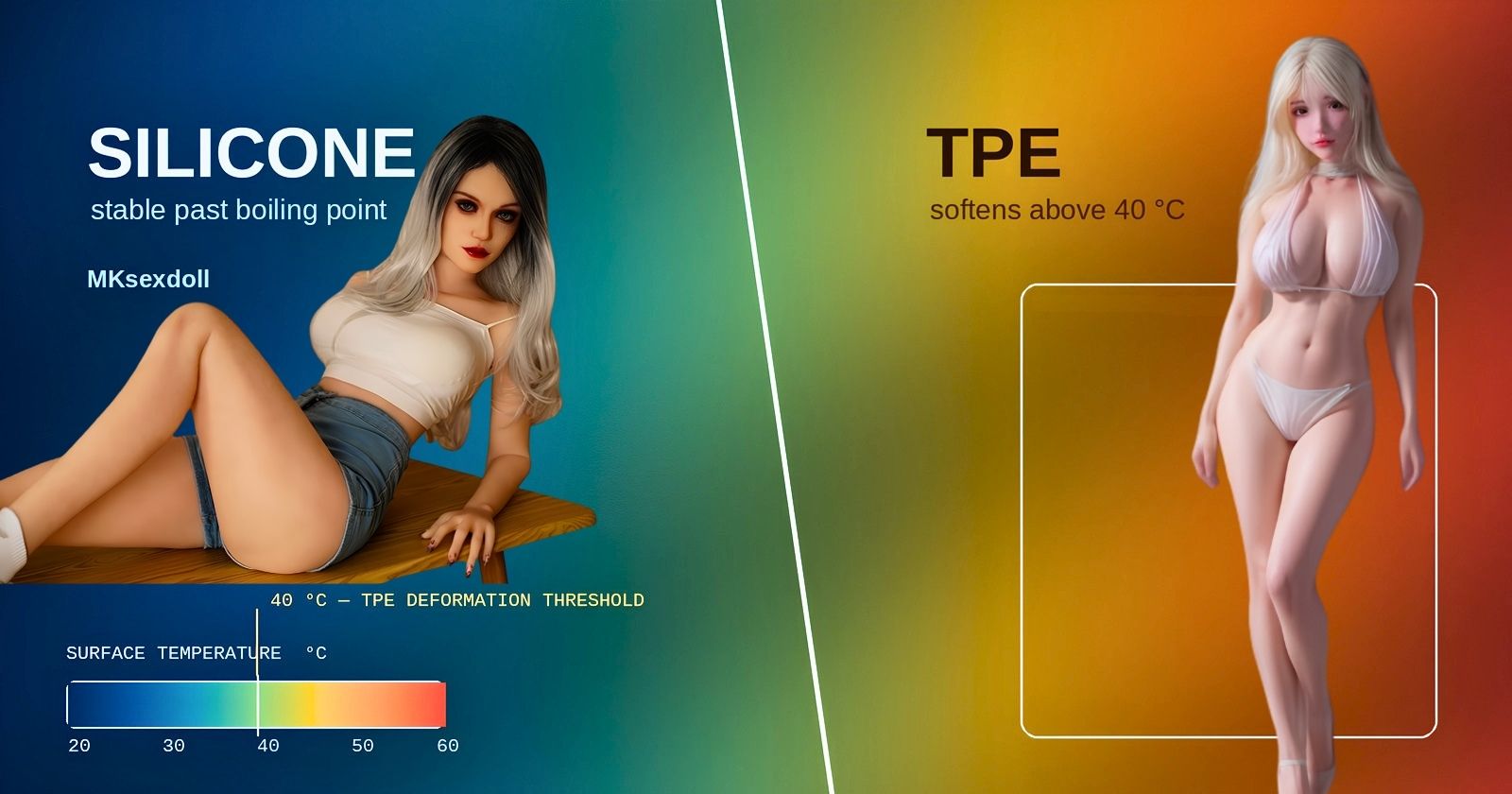
Modern lifelike sex dolls are a testament to advancements in materials science and robotics. Unlike early inflatable models, today’s dolls are crafted from high-grade silicone or thermoplastic elastomer (TPE), which replicates the softness and elasticity of human skin. These materials, combined with articulated skeletons, allow for realistic movement and posing. Manufacturers like RealDoll and Sinthetics offer hyper-detailed customisation, from facial features to body proportions, ensuring each doll meets individual preferences.
The integration of artificial intelligence has elevated these dolls beyond static figures. AI-enabled models can engage in simple conversations, respond to touch, and mimic emotional cues through programmed responses. Some incorporate robotics for lifelike gestures, such as eye movement or subtle head tilts. Voice recognition and machine learning enable dolls to adapt to user interactions, creating a more personalised experience. These technological leaps have transformed lifelike sex dolls into sophisticated companions, blurring the line between object and entity.
Diverse Applications of Lifelike Sex Dolls
While often associated with sexual purposes, lifelike sex dolls serve a variety of roles. For many, they provide companionship, alleviating loneliness or social isolation. Individuals who face challenges in forming traditional relationships—due to disabilities, grief, or social anxiety—find that these dolls offer a non-judgmental presence. In therapeutic contexts, psychologists are exploring their use to help patients with social phobias practice communication skills in a safe setting.
Beyond personal use, lifelike sex dolls are gaining traction in creative and professional fields. Photographers and filmmakers employ them as stand-ins or artistic subjects, capitalising on their realistic appearance. In academia, researchers study these dolls to understand human attachment to artificial entities, offering insights into psychology and human-robot interaction. Their versatility highlights their potential as more than just intimate companions.
Societal Debates and Ethical Questions
The growing popularity of lifelike sex dolls has ignited complex societal discussions. Supporters argue they provide a safe outlet for sexual expression, potentially reducing demand for exploitative industries like human trafficking. They also emphasise the dolls’ role in addressing emotional needs, particularly for those who struggle with human connection. However, critics contend that these dolls, often designed to reflect idealised gender norms, may perpetuate objectification and unrealistic expectations.
Ethical concerns intensify with AI integration. As dolls become more interactive, issues of consent, privacy, and emotional dependency arise. For example, AI-driven dolls that simulate affection could confuse users about the nature of relationships. Data privacy is another concern, as connected dolls may collect sensitive user information. Additionally, some worry that over-reliance on dolls could erode interpersonal skills or deepen social isolation.
The Future of Lifelike Sex Dolls
The trajectory of lifelike sex dolls points toward further innovation. Advances in AI could enable more nuanced interactions, while virtual reality integration might create immersive experiences. Sustainable materials, such as biodegradable composites, could address environmental concerns in production. As societal attitudes evolve, these dolls may gain broader acceptance, challenging conventional views on relationships.
However, their future hinges on responsible development. Clear regulations are needed to address privacy, ethical manufacturing, and psychological impacts. Public dialogue will shape their role, balancing individual autonomy with societal well-being. Lifelike sex dolls are not just products; they are catalysts for reflection on technology’s role in human intimacy.
Conclusion
Lifelike sex dolls embody the convergence of innovation and human desire, offering both practical benefits and profound questions. As they evolve, they challenge us to navigate the boundaries of technology, ethics, and connection. Understanding their impact requires an open mind and a willingness to engage with the complexities they represent.
The five factors that actually make a doll read as lifelike
Realism is not one variable. In practice it resolves into five, and they contribute unequally — which matters, because buyers routinely pay for the wrong one.
- Face sculpt and make-up (largest single factor). Human perception is tuned to millimetre differences around the eyes and mouth. A silicone head with hand-painted detail is the highest-return upgrade in the entire category.
- Skin finish. Matte reads as skin; glossy reads as plastic. This is why powdering TPE after every wash matters aesthetically as well as practically.
- Weight and body feel. A doll that is too light breaks the illusion immediately. Realistic weight for 158 cm is 30–40 kg — which is also why handling and storage need planning.
- Joint articulation. The range and smoothness of the internal skeleton determines whether poses look natural or arranged. Shrugged shoulders and bendable fingers are the details people notice.
- Hair. Implanted hair outperforms a wig noticeably, at meaningful extra cost, and is far more fragile.
| Factor | Impact on realism | Typical cost to upgrade |
|---|---|---|
| Silicone head vs TPE head | Very high | $300–$700 |
| Custom hand-painted make-up | High | $150–$400 |
| Implanted hair vs wig | Moderate to high | $200–$500 |
| Upgraded articulated skeleton | Moderate | $100–$300 |
| Body heating | Moderate, tactile only | $100–$250 |
Note that four of the five degrade with poor maintenance: glossy skin, lifted make-up, matted hair and stiffened joints are all maintenance outcomes rather than manufacturing ones. The routine that preserves them is in the cleaning and care guide, and the material decision underlying most of it is covered in the silicone vs TPE guide.
Frequently asked questions
What makes a sex doll look lifelike?
Mainly the face sculpt and its make-up, followed by a matte rather than glossy skin finish, realistic weight, skeleton articulation and hair type. Face and finish account for most of the perceived realism, which is why a silicone head on a TPE body is usually the highest-value upgrade.
Which is more realistic, silicone or TPE?
Silicone looks more realistic because it holds fine detail and stays matte; TPE feels more realistic because it is softer and closer to human tissue in compliance. A hybrid build captures both. The full comparison is in the material guide.
How much should a lifelike doll weigh?
About 30–40 kg for a 158 cm TPE doll and 40–50 kg for full silicone at the same height. Dolls significantly lighter than this feel hollow and break the illusion, but heavier dolls are correspondingly harder to move, wash and store.
Does maintenance affect how realistic a doll looks?
Substantially. Glossy skin, lifted make-up, matted hair and stiff joints are all maintenance outcomes rather than manufacturing defects. Regular washing, powdering and correct storage preserve four of the five realism factors; see the care guide and the storage guide.