Short answer: a “celebrity sex doll” in 2026 is almost never an authorised likeness of a real person. What the market actually sells is archetype dolls — faces built around a recognisable look (a particular jawline, eye spacing, hair colour, body proportion) rather than a scan of an identifiable individual. Genuine replicas of real people are blocked by publicity and likeness rights in most major markets, and reputable manufacturers decline those commissions. Expect $900–$2,500 for a high-detail archetype head and body, and 3–8 weeks for a custom build.
That distinction is the whole subject. The search term is popular, the product category is real, and almost every article about it blurs the line between the two. This guide separates them: what is actually manufacturable, what it costs, what the law says, and how to get the look you want without commissioning something no serious factory will build.
What the term actually describes
Three different things get sold under the same phrase:
- Archetype heads. A sculpt designed around a recognisable aesthetic — the “Hollywood blonde”, the “K-pop” face, the “Latin bombshell”. These are original sculpts. They evoke a category, not a person. This is the overwhelming majority of the market.
- Fan-named catalogue heads. The same archetype sculpts, informally nicknamed after a celebrity by retailers or forums to make them findable. The sculpt is still original; only the marketing label borrows the association.
- Commissioned likeness replicas. A doll built from photographs or a 3D scan of a specific identifiable person. This is the category with real legal exposure, and it is the one that reputable manufacturers refuse.
If a seller advertises an exact named-celebrity replica as an off-the-shelf product, that is a signal to walk away — both because of what it says about their legal posture and because it usually accompanies poor build quality.
The legal position, in plain terms
This is general information rather than legal advice, and the specifics vary substantially by country and, in the United States, by state.
Most developed jurisdictions protect a person’s name, image and likeness through some combination of a right of publicity (commercial use of identity), trademark (where a name functions as a brand), and personality or image rights in civil-law countries. Manufacturing and selling a physical product that reproduces an identifiable person’s face, and marketing it using that person’s name, engages all three at once. Several US states extend publicity rights past death, in some cases by decades.
Two things follow. First, a manufacturer who produces named replicas is exposed regardless of where they are based, because the sale usually happens in the customer’s jurisdiction. Second — and this is the part buyers overlook — an order for a replica can be cancelled, seized at customs, or refunded without the doll ever arriving, and the buyer typically has no recourse.
The workable path is an archetype build: a sculpt chosen for the features you want, with skin tone, eye colour, hair and body proportion specified separately. That is exactly what the custom doll process is designed to do.
What it costs
| Build | Typical price | Lead time | What you get |
|---|---|---|---|
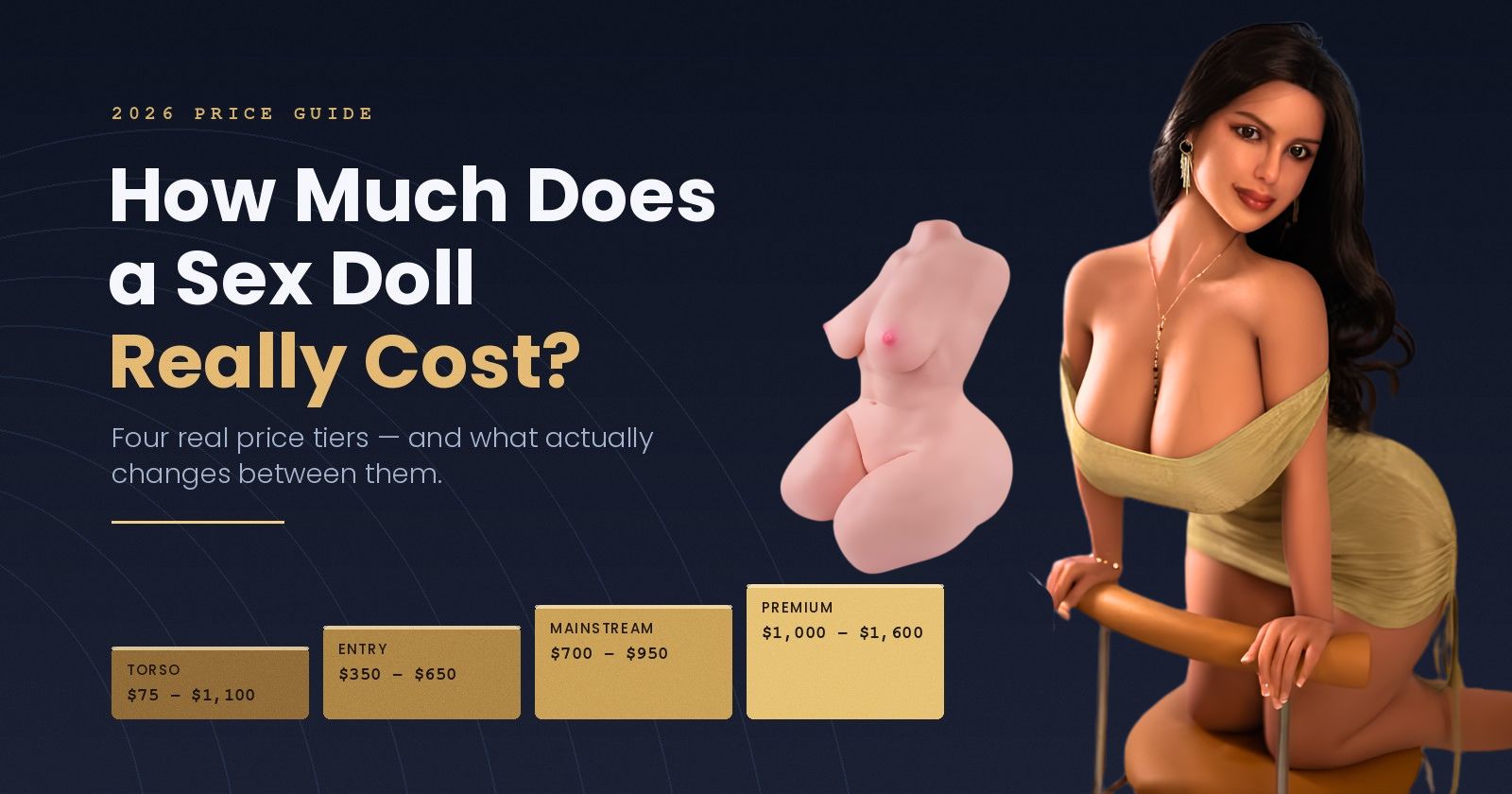
| Catalogue archetype, TPE body | $700–$1,200 | In stock – 2 weeks | Stock head, stock body, stock make-up |
| Archetype head + body/skin choices | $900–$1,600 | 2–4 weeks | Your skin tone, eyes, wig, breast type |
| Silicone head on TPE body (hybrid) | $1,200–$1,900 | 3–5 weeks | Sharper facial detail, implanted hair option |
| Full silicone, custom make-up | $1,800–$3,200 | 4–8 weeks | Highest realism, hand-painted detail |
| Named likeness replica | — | — | Not offered by reputable makers |
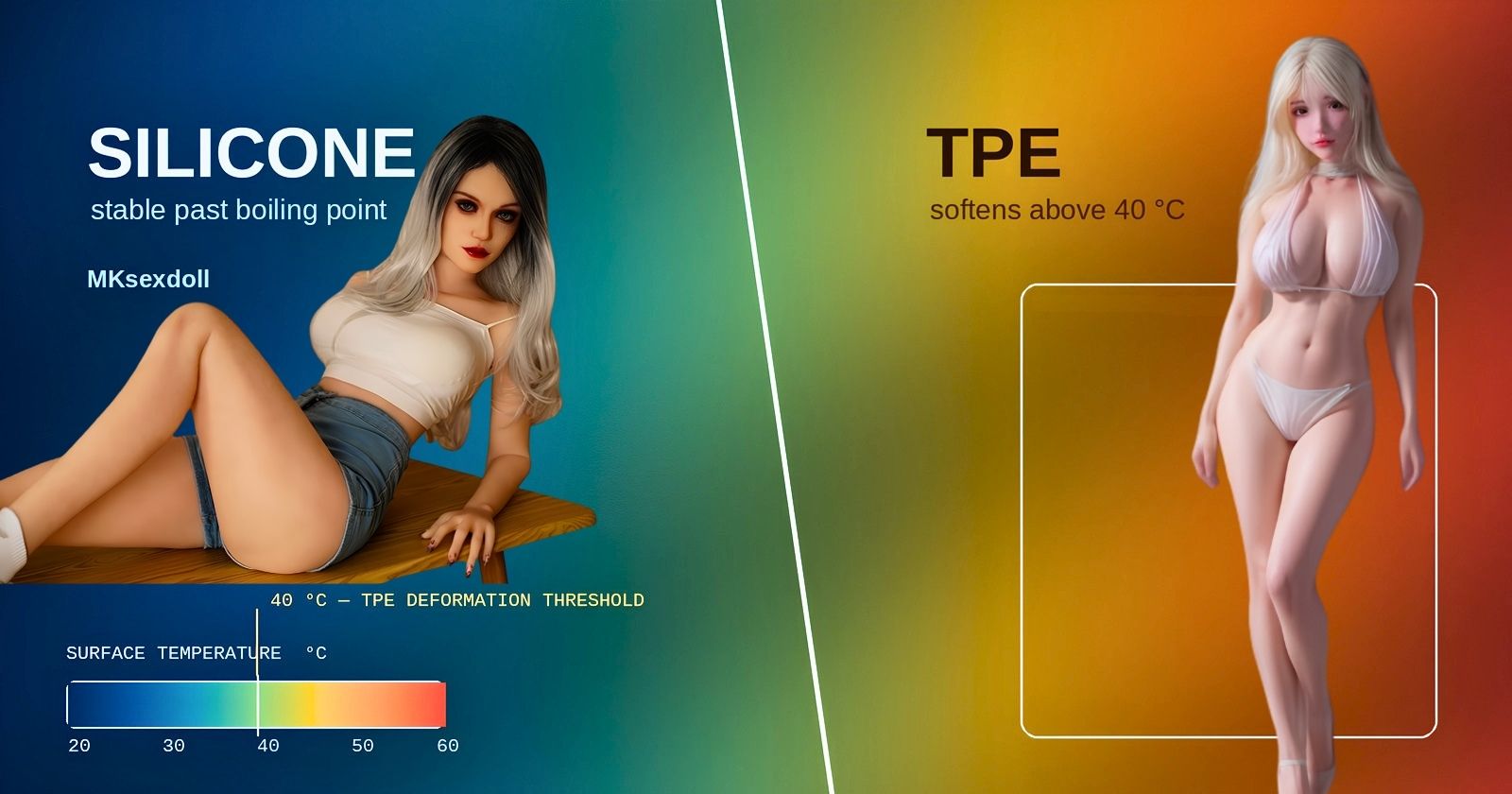
The single biggest price driver is head material. A silicone head holds fine detail — nasolabial folds, lip texture, eyelid creases — that TPE simply cannot. If facial resemblance is the point of the purchase, the hybrid build is usually the best value in the whole category. The material trade-offs are covered in full in the silicone vs TPE guide, and the broader pricing picture in the 2026 price guide.
How to specify a look without naming a person
Factories work from parameters, not from vibes. The more precisely you describe features, the closer the result. A useful specification covers:
- Face shape — oval, heart, square jaw, high or low cheekbones.
- Eye shape, spacing and colour — almond or round, wide-set or close-set, and a specific iris colour.
- Nose profile — bridge height, tip shape.
- Lip fullness and shape.
- Skin tone — most makers offer four to six, and this changes the perceived face more than anything else.
- Hair — colour, length, and whether implanted or wig.
- Body proportion — height, bust, waist-to-hip ratio, muscle definition.
- Make-up style — natural, editorial, or heavy.
Send reference images of the features you want rather than of a person. Most factories will decline a named reference and accept a feature brief for the same underlying look.
Which collections get closest to popular archetypes
In practice, most people searching this term want one of five looks. The closest catalogue routes:
- Classic Hollywood blonde — the blonde collection, ideally with a silicone head.
- East Asian idol — the Asian and Japanese collections.
- Curvy glamour — the curvy and big booty collections.
- High-fashion slim — the flat-chested collection.
- Male screen-idol build — the male doll collection; see also what a modern male doll actually is.
By manufacturer, facial sculpting quality in this category is led by Starpery and Irontech, with WM offering the widest head catalogue to choose from.
How realistic can a face actually get?
Honest answer: very close, but not photographic. A well-executed silicone head with hand-painted make-up and implanted hair is convincing in person and in photographs at normal distance. It will not survive a side-by-side comparison with a specific human face, because a sculpt is an interpretation and human recognition is tuned to millimetre differences around the eyes and mouth.
Buyers who expect a replica are disappointed. Buyers who specify a look and judge the result on its own terms are usually pleased. Managing that expectation before ordering is the difference between a good purchase and an expensive one.
Maintenance considerations specific to detailed faces
High-detail heads are the most fragile part of the doll. Hand-painted make-up is not waterproof, implanted hair pulls out under a comb, and eyelashes are glued. Clean faces with a barely damp cloth and no soap, and wash wigs separately on a stand. The full routine, including what will strip pigment, is in the cleaning and care guide, and storage advice — including removing eyes and lashes for long-term storage — is in the storage guide.
Buying checklist
- Decide whether facial detail or body feel matters more — that decides head material and roughly half the price.
- Write a feature brief, not a name.
- Ask the seller for photographs of the exact head sculpt under neutral lighting, not renders.
- Confirm skin tone, eye colour and wig are specified in the order, not assumed.
- Check the lead time in writing before paying.
- Avoid any listing that advertises a named real person. It is the clearest quality and legitimacy signal available.
Frequently asked questions
What is a celebrity sex doll?
In practice it is an archetype doll: an original head sculpt designed around a recognisable aesthetic such as a jawline, eye shape, hair colour and body proportion, rather than a scan or replica of a specific identifiable person. Retailers and forums often nickname these sculpts after celebrities, but the sculpt itself is original.
Can you legally buy a doll made to look like a real celebrity?
Selling a physical product that reproduces an identifiable person’s likeness and markets it under their name engages right-of-publicity, trademark and personality-rights law in most major markets, and several US states extend those rights after death. Reputable manufacturers decline such commissions. This is general information, not legal advice, and the position varies by jurisdiction.
How much does a celebrity-style sex doll cost?
A catalogue archetype on a TPE body runs $700–$1,200. Adding your own skin tone, eyes and wig takes it to $900–$1,600. A silicone head on a TPE body, which is where facial detail improves most, is $1,200–$1,900, and a full silicone build with custom make-up is $1,800–$3,200.
How long does a custom build take?
Two to four weeks for body and finish options on a catalogue head, three to five weeks for a hybrid silicone-head build, and four to eight weeks for full silicone with custom make-up. In-stock archetype dolls ship immediately.
Will the face actually look like the person I have in mind?
It will read as the same type of face, not as the same face. Human recognition is sensitive to millimetre differences around the eyes and mouth, and a sculpt is an interpretation. Buyers who specify a look and judge the result on its own terms are generally satisfied; buyers expecting a replica are not.
Which material gives the best facial detail?
Silicone. It holds fine detail such as lip texture, eyelid creases and nasolabial folds that TPE cannot reproduce. A silicone head on a TPE body is usually the best value if the face is the priority, since it keeps the softer body feel at a lower price than full silicone.
How do you describe the look you want without naming a celebrity?
Specify face shape, eye shape and spacing, eye colour, nose profile, lip fullness, skin tone, hair colour and length, body proportion and make-up style. Send reference images of individual features rather than of a person. Most factories will decline a named reference but accept a feature brief for the same underlying look.
How do you care for a high-detail doll face?
Clean it with a barely damp cloth and no soap, keep eyelashes dry, and wash wigs separately on a stand rather than on the head. Hand-painted make-up is not waterproof, and aggressive face washing removes it in a single session.